Succulent Identifier Online
Use this succulent identifier when you want a fast answer to questions like what kind of succulent do I have, identify my succulent, or is this an echeveria, sedum, aloe, haworthia, or jade plant. Upload a clear photo to get likely succulent matches, common and scientific names, visible trait notes, care basics, and practical next-photo guidance without installing an app.
Identify a Succulent by Picture in Your Browser
This succulent identifier reviews visible clues such as rosette shape, leaf thickness, leaf tips, surface texture, stem pattern, color stress, offsets, and flowers. A useful succulent identification result should give you likely matches and explain what to photograph next when two species or cultivars look nearly identical.
Drag & drop your photo here, or click to browse
Supports JPG, PNG, WEBP · Max 10MB
Identifying Your Plant...
This may take a few seconds depending on the image
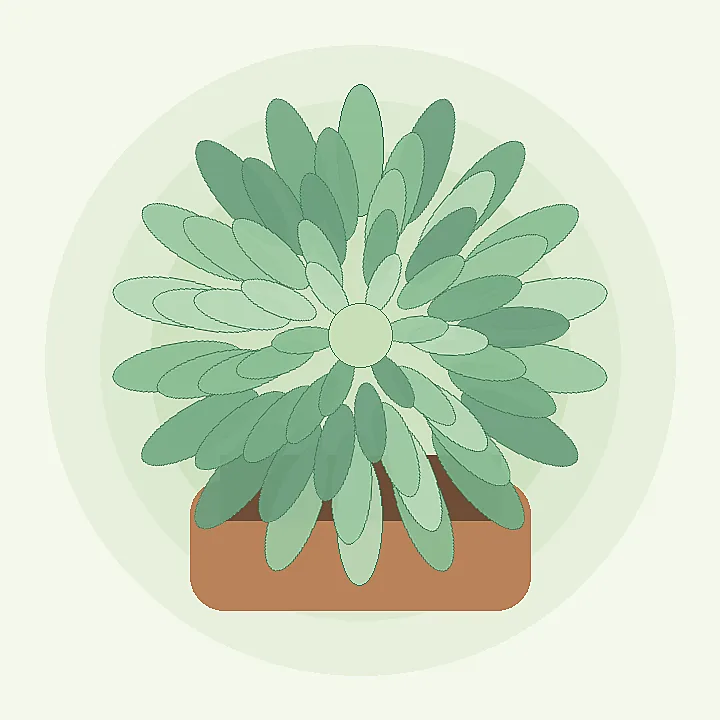
Echeveria
Echeveria spp.
A compact rosette-forming succulent group with thick leaves, many color forms, and frequent confusion with sedum, graptoveria, sempervivum, and some aeonium varieties.
Possible Lookalikes: Graptoveria, sedeveria, sempervivum, aeonium, and some compact sedum cultivars can look similar in one photo.
Next Step: Upload a side view of the rosette and one close photo of a single leaf tip or flower stalk if the first match feels uncertain.
Possible Lookalikes:
Next Step:
How to Use This Succulent Identifier
Upload the Clearest Succulent Photo
Start with a sharp photo of the whole plant or rosette in bright natural light. A good succulent identifier needs to see leaf shape, leaf thickness, growth habit, surface texture, and whether the plant grows as a rosette, upright stem, trailing cluster, or clump.
Review Likely Matches and Lookalikes
Succulent identification often returns a shortlist because many hybrids and cultivars share the same shape. Compare the likely match, family, visible clue notes, and lookalikes before assuming the first result is the final species name.
Confirm With a Better Second Angle
If you still wonder what kind of succulent you have, add a side view, a leaf close-up, a stem photo, or a flower stalk. Those details often separate echeveria from graptoveria, haworthia from aloe, and sedum from crassula.
What Succulent Photos Work Best?
Succulents are compact, hybrid-heavy, and often sold without labels, so one pretty overhead photo may not be enough. These photo tips help the tool read the clues that matter most for succulent identification.
Show the Whole Rosette or Growth Habit
An overhead rosette photo is useful for echeveria-like succulents, but a side view shows height, offsets, stems, and stretched growth. Both views together give the succulent identifier a better sense of the plant's real form.
Capture One Leaf Close-Up
Leaf thickness, tip shape, edge teeth, windows, powdery bloom, and surface texture can separate common succulent groups. A close leaf photo is especially helpful for haworthia, aloe, gasteria, kalanchoe, and crassula.
Include Stems, Offsets, or Pups
Some succulents are best identified by how they branch, trail, or produce pups. Showing the base of the plant can help distinguish jade, sedum, string succulents, aeonium, sempervivum, and trailing groundcover types.
Photograph Flowers When Available
Flowers are not required, but they can be very useful. Bloom color, stalk shape, and flower arrangement often improve succulent identification when leaf shape alone points to several close matches.
Why succulent photos need context
Many succulents change color with sun stress, water level, temperature, and age. A stressed or stretched plant may look different from catalog photos, so the best workflow is to upload the clearest current photo first, then add a second image that shows the side profile, leaf details, or flowers if the result is uncertain.
What the Succulent Identifier Checks
A useful succulent identification workflow does more than name a plant. It explains visible evidence, warns about lookalikes, and helps you decide which detail to photograph next.
Rosette Shape and Symmetry
Rosette succulents can look similar from above. The tool considers whether the rosette is tight or open, flat or upright, powdery or glossy, and whether the leaves form a perfect spiral or a looser cluster.
Leaf Form and Surface Clues
Leaf clues include thickness, point shape, translucent windows, edge teeth, farina, hairs, bumps, and color zones. These details help separate aloe, haworthia, gasteria, echeveria, sedum, crassula, and kalanchoe.
Stem, Offset, and Trailing Pattern
Many succulents are easier to identify when the image shows how they grow. Upright stems, woody trunks, bead-like trails, clustered pups, or groundcover mats can be stronger evidence than color alone.
Care and Safety Notes Stay Conservative
Succulent care guidance should reflect the likely match but avoid risky certainty. Water needs, light tolerance, and pet safety can vary by species, hybrid, and local growing conditions, so the result should be a starting point.
Common Succulent Clues to Compare
| Likely group | Helpful visible clues | Best next photo |
|---|---|---|
| Echeveria / Graptoveria | Symmetrical rosette, spoon-shaped leaves, powdery surface, compact offsets | Side view plus a close photo of the leaf tip |
| Aloe / Haworthia / Gasteria | Thick pointed leaves, windows, stripes, teeth, or fan-like growth | Leaf close-up showing edges and surface pattern |
| Sedum / Crassula | Trailing or upright stems, bead-like leaves, stacked leaves, woody base | Stem and base photo with one full branch |
| Kalanchoe / Aeonium | Scalloped edges, tall stems, velvet texture, or rosettes on branching stems | Whole plant side view and any flower stalk |
Use the table as a checklist after the tool returns a likely match. It helps you decide whether to upload another angle or compare a close lookalike before changing care routines.
Why Succulent Identification Can Show Several Matches
Succulents are frequently hybridized, mislabeled in stores, and affected by light or watering conditions. A careful succulent identifier may show several likely matches when one image does not contain enough evidence.
Hybrids Often Blur Species Boundaries
Many popular rosette succulents are hybrids or cultivars. Echeveria, graptoveria, sedeveria, and pachyveria can overlap enough that a shortlist is more honest than a single forced answer.
Sun Stress Changes Color and Shape
Succulents can turn red, purple, pale, compact, or stretched depending on light and watering. Color alone is not a reliable identification clue, so the tool also looks for shape, texture, stems, and leaf details.
Use the Result as a Guided Shortlist
The best way to identify your succulent is to compare likely matches with the real plant in front of you. Check the rosette, leaf edge, stem, offsets, flower stalk, and care notes before deciding on the final name.
Important succulent care note
Do not rely on one photo result alone for pet safety, edibility, medicinal use, or major care changes. Use the identification as a starting point, then verify with trusted local plant guidance when the decision matters.
What You Get After You Identify a Succulent
Likely Common and Scientific Names
A succulent identifier should provide names you can search and compare later, including likely genus or species-level matches when the photo has enough visible evidence.
Evidence Behind the Match
The result can explain visible clues such as rosette shape, leaf edge, color stress, farina, windows, stem habit, offsets, or flowers so you know why a match was suggested.
Lookalikes to Compare
Succulent identification is more useful when it shows close alternatives. This is especially important for echeveria hybrids, aloe-like plants, jade relatives, and trailing sedums.
Basic Care Direction
Once you have a likely match, care notes can help you think about light, watering, soil drying, and stress signs without pretending every plant in the group behaves exactly the same.
Next-Photo Guidance
If the first result is uncertain, the page tells you what kind of second image is most helpful: side profile, leaf close-up, stem base, offsets, or flowers.
Browser-Based Succulent Lookup
You can identify a succulent online from desktop or mobile without downloading a separate app, which is useful when you just bought an unlabeled plant or received a cutting.
Succulent Identifier FAQs
Upload a Succulent Photo and Narrow the Match
Start with one clear image, compare likely succulent matches, and learn which leaf, stem, rosette, or flower detail to check next.