Leaf Identifier by Picture Online
Use this leaf identifier when the clearest clue you have is a leaf. Upload one focused leaf photo to get likely plant matches, common and scientific names, leaf-shape notes, and practical next-step guidance right in your browser.
Identify a Plant From Its Leaf
Start with one sharp leaf image. The tool reviews visible clues such as shape, margin, venation, texture, color pattern, and arrangement, then returns likely plants you can compare before making care, pruning, or safety decisions.
Drag & drop your photo here, or click to browse
Supports JPG, PNG, WEBP · Max 10MB
Identifying Your Plant...
This may take a few seconds depending on the image
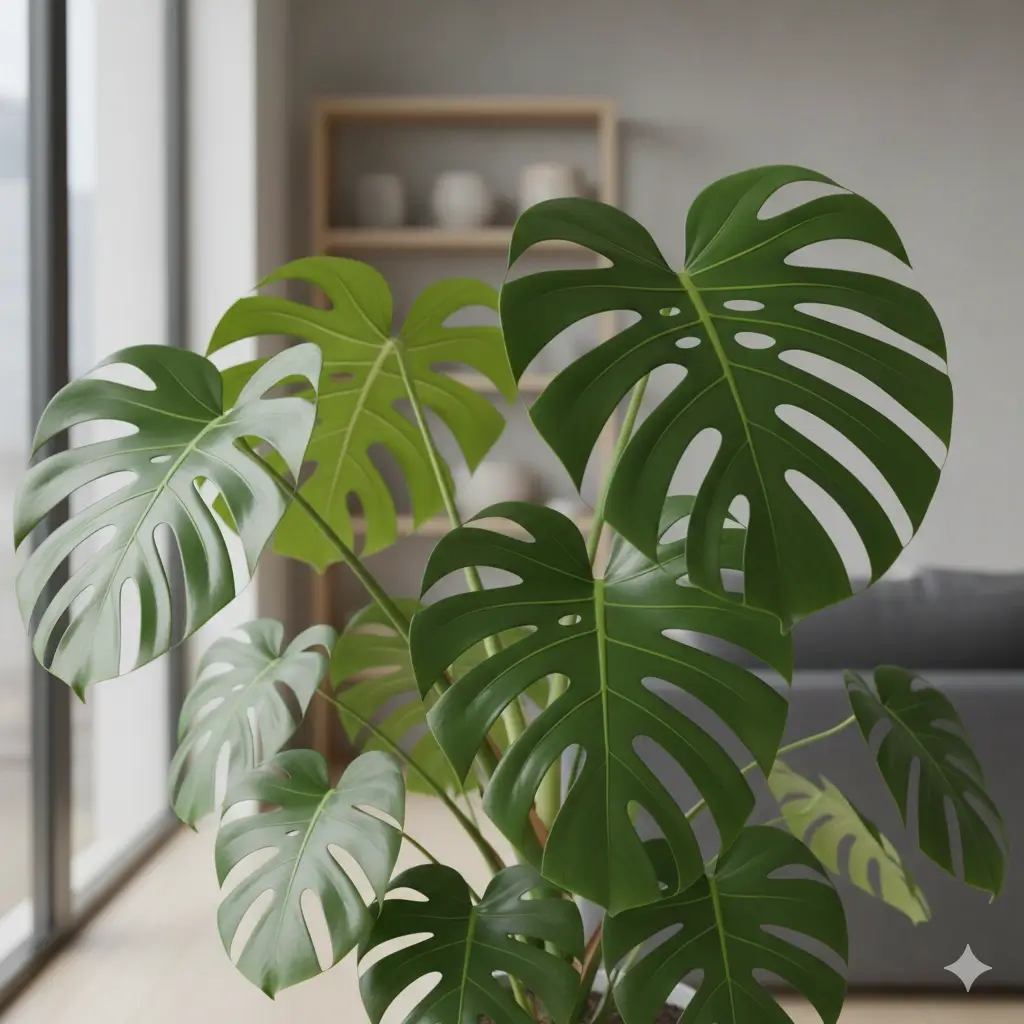
Monstera
Monstera deliciosa
A large glossy leaf with deep splits and inner fenestrations is one of the strongest visual clues for mature Monstera deliciosa.
Possible Lookalikes: Rhaphidophora tetrasperma, juvenile monstera plants, and split-leaf philodendron are common lookalikes.
Next Step: For stronger confirmation, upload one photo showing the full plant and one close-up of the leaf stem attachment.
Possible Lookalikes:
Next Step:
How to Identify a Leaf by Photo
Upload a Sharp Leaf Photo
Use one clear image that shows the whole leaf when possible. A focused shot of the blade, edge, veins, and stem connection gives the leaf identifier stronger evidence to compare.
Review Likely Plant Matches
The tool returns likely matches instead of forcing one answer when several plants share similar leaf shapes. That is more useful for real leaf identification than a hard guess with no explanation.
Confirm With Extra Context
Use the result together with the plant's growth habit, flower, stem, fruit, or location. If the match still feels close to a lookalike, upload one more photo showing the whole plant or a second leaf angle.
Best Photos for Leaf Identification
A leaf identifier works best when the photo shows the parts botanists and gardeners actually use to separate lookalikes.
Show the Whole Leaf First
A full view makes it easier to compare overall shape, lobes, tip form, and base shape. Cropped close-ups are useful, but start with one image that captures the entire leaf.
Keep the Veins and Margin Visible
Leaf edges, vein pattern, and teeth or smooth margins often separate similar plants. Use bright light so the texture and structure stay readable.
Avoid Busy Backgrounds
If several leaves overlap in the frame, the result may be vague. Isolate one leaf against the sky, your hand, or a plain surface when you can.
Add One More Plant Photo When Needed
A single leaf can be enough for many plants, but some matches need extra context. A full-plant shot, flower, fruit, bark, or stem image often resolves the final uncertainty.
Why one leaf can still be useful
Many visitors only have a fallen leaf, a clipped leaf, or one close-up from a phone. This page is designed for that exact search intent: identify the plant from the leaf first, then decide what extra evidence to check next.
Sample Leaf Matches You Might See
A useful leaf identifier should show what kind of output you can compare in real life, not just a plant name with no context.
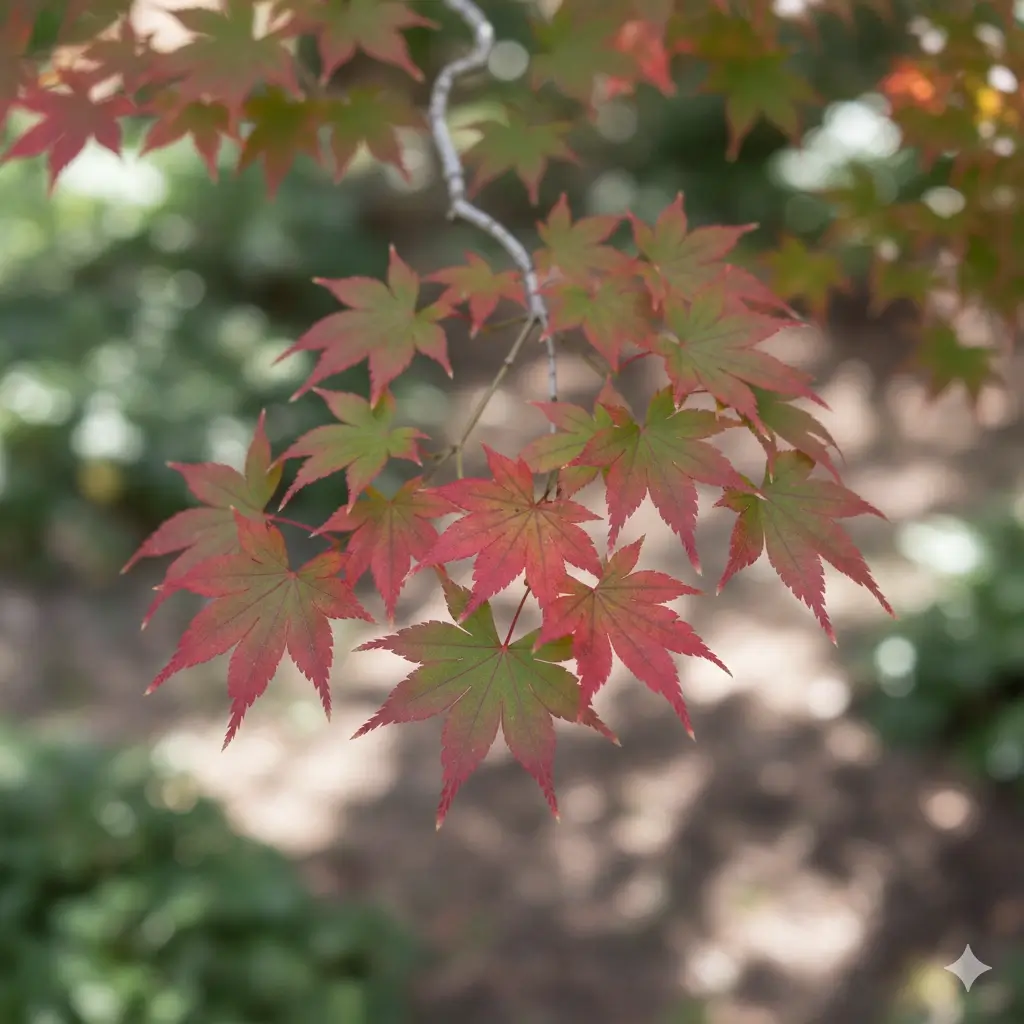
Tree Leaf Match
Houseplant Leaf Match
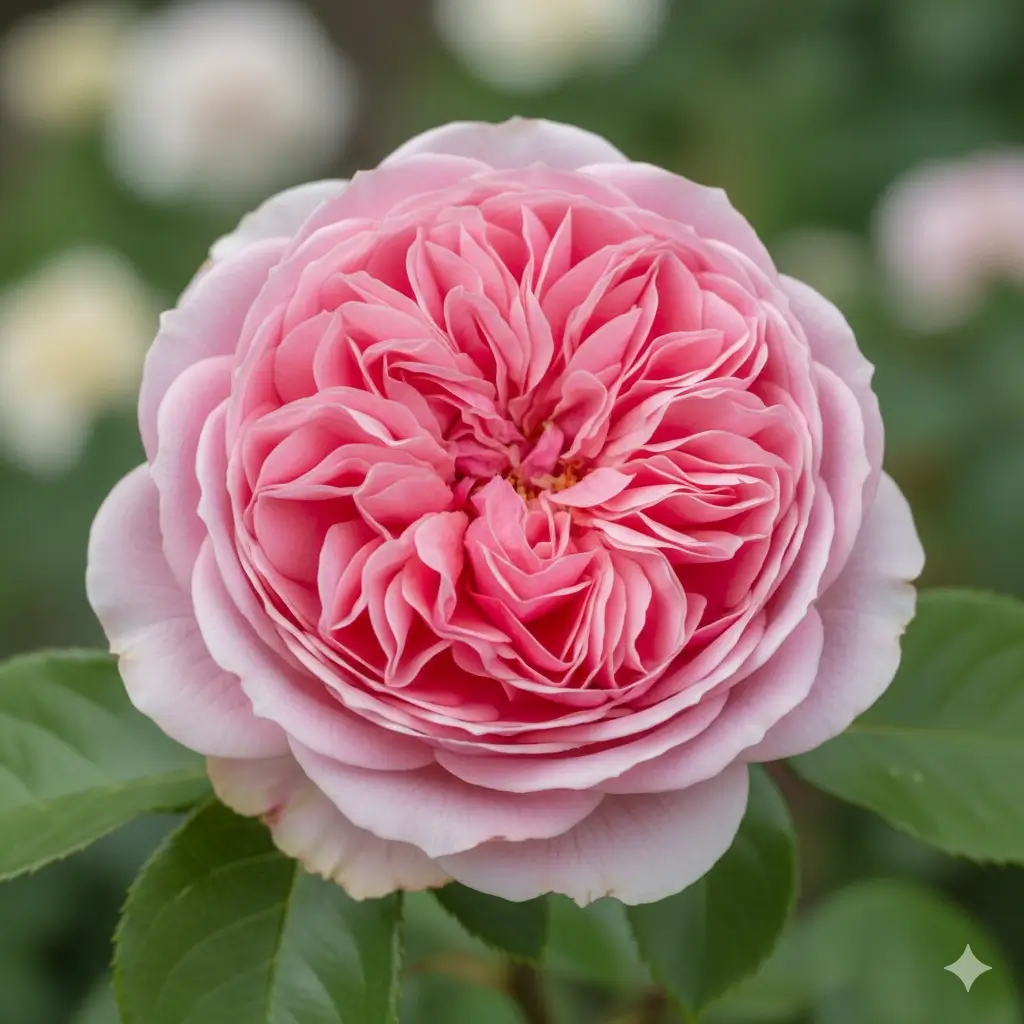
Garden Plant Leaf Match
The best leaf identification result gives you a shortlist, clear visual clues, and a practical next photo to take when several plants overlap.
Try Your Own Leaf PhotoLeaf Identifier vs General Plant Search
Leaf-only searches often need a more careful workflow than a generic image search. This page is structured to fit that narrower intent.
| Option | Best For | Strength | Watch Out |
|---|---|---|---|
| Leaf Identifier by Picture | When a leaf is your clearest clue and you want likely plant matches fast. | Focuses on leaf shape, venation, margin, and lookalikes. | Some plants still need a flower, stem, or full-plant photo. |
| General Plant Identifier | When you already have the whole plant, flower, or fruit in the frame. | Uses more context from the full plant image. | May be less precise when only one leaf is visible. |
| Manual Search With Leaf Terms | Users who want to read guides after getting a shortlist. | Good for double-checking species and care notes. | Slower if you do not know the right vocabulary yet. |
If you only have one leaf photo, start with the dedicated leaf page, then move to broader plant pages when you collect more evidence.
Related Plant Identification Pages
Use these related tools when the leaf result needs extra context or when your next photo shows more than just the leaf.
Leaf Identifier FAQs
Upload a Leaf Photo and Narrow the Match Faster
Start with one clear leaf image, compare likely plants, and decide what full-plant, flower, or bark detail to check next.