Houseplant Identifier Online
Use this houseplant identifier when an indoor plant has no label, a cutting was shared without a name, or a nursery tag only says tropical foliage. Upload a clear photo to get likely matches, care clues, light and watering notes, pet safety context, and next-photo guidance in your browser.
Identify an Indoor Plant From a Photo
Start with one sharp photo of the whole potted plant or the clearest leaf cluster. The tool reviews visible clues such as leaf shape, variegation, growth habit, stems, pot scale, and common indoor lookalikes, then returns likely houseplant matches you can compare before changing care.
Drag & drop your photo here, or click to browse
Supports JPG, PNG, WEBP · Max 10MB
Identifying Your Plant...
This may take a few seconds depending on the image
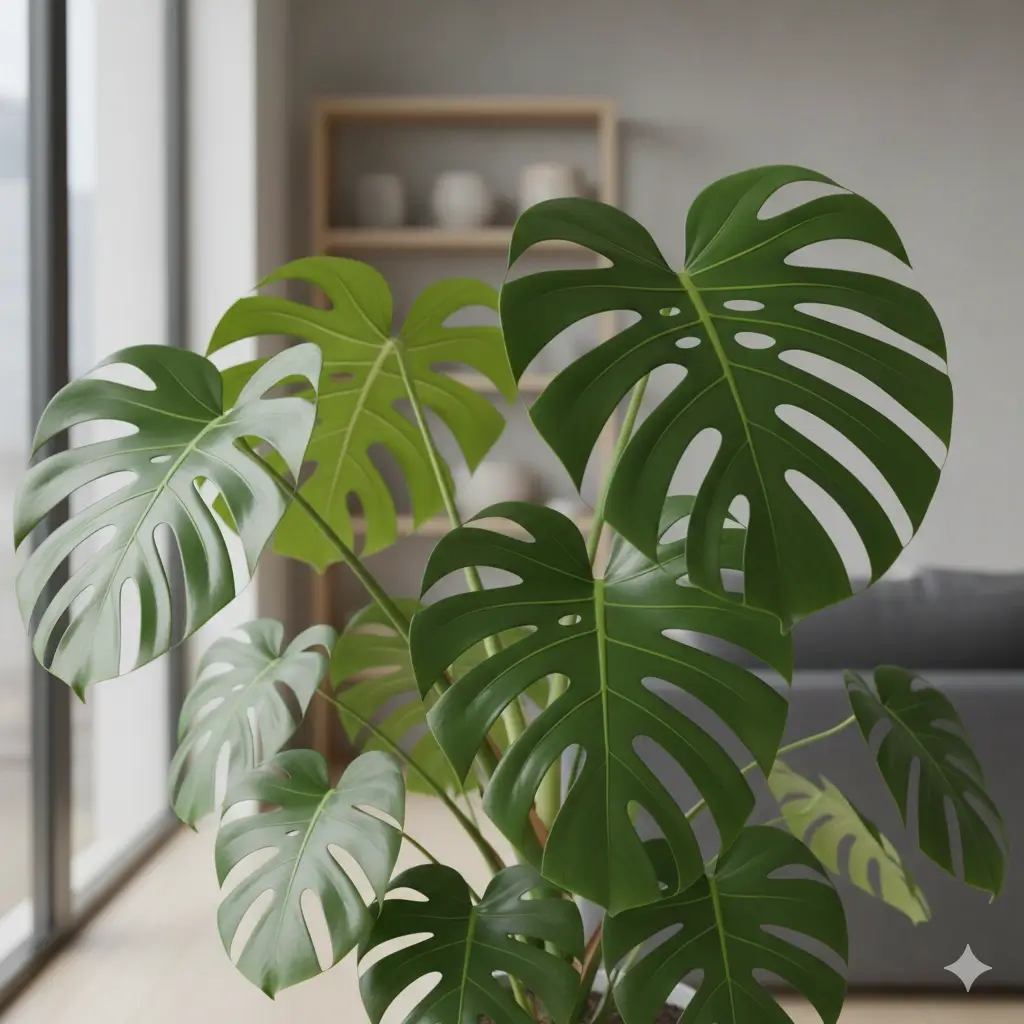
Monstera
Monstera deliciosa
A common indoor aroid with large split leaves, climbing growth, and many close nursery lookalikes.
Possible Lookalikes: Rhaphidophora tetrasperma, split-leaf philodendron, and juvenile monstera can overlap in quick indoor photos.
Next Step: Upload a wider photo showing the pot, stems, and the newest leaf if the match feels close to another aroid.
Possible Lookalikes:
Next Step:
How to Use This Houseplant Identifier
Photograph the Whole Indoor Plant
Use a bright, steady photo that shows the pot, several leaves, and the growth habit. A whole-plant view helps distinguish trailing, climbing, rosette, cane, and upright houseplants.
Review Likely Names and Care Clues
Compare common name, scientific name, family, light preference, watering context, pet safety notes, and lookalikes before you relabel the plant or change its care routine.
Add Leaf or Stem Detail if Needed
If several indoor plants look similar, upload a close-up of one mature leaf, the stem node, variegation pattern, or the plant base to narrow the match.
Best Photos for Indoor Plant Identification
Houseplants are often sold as small juveniles or unnamed tropical mixes, so the best photo shows both the plant shape and the details that separate close indoor lookalikes.
Show the Entire Pot and Plant
Include the pot, leaf spread, stem direction, and overall habit. This helps separate trailing pothos, climbing aroids, upright dracaena, compact peperomia, and rosette-forming plants.
Capture One Mature Leaf Clearly
Leaf shape, texture, variegation, holes, splits, veins, and edge color are often the strongest clues for indoor plant identification.
Include Nodes, Stems, or New Growth
A stem node, aerial root, cane, petiole, or new leaf can separate philodendron, monstera, pothos, hoya, syngonium, and many other indoor plants.
Use Bright Indirect Light
Indoor photos can be dim or color-shifted. Move the plant near a window, avoid harsh flash, and keep the background simple so the leaves stay readable.
Why houseplant identification needs care context
Indoor plants may look different from outdoor reference photos because light, pruning, pot size, and maturity change leaf size and color. Use the match as a starting point, then compare care notes and lookalikes before making major watering, toxicity, or repotting decisions.
Sample Indoor Plant Matches
A useful houseplant identifier should return more than a name. It should explain the visible clues and what to check next when popular indoor plants overlap.
Aroid Houseplant
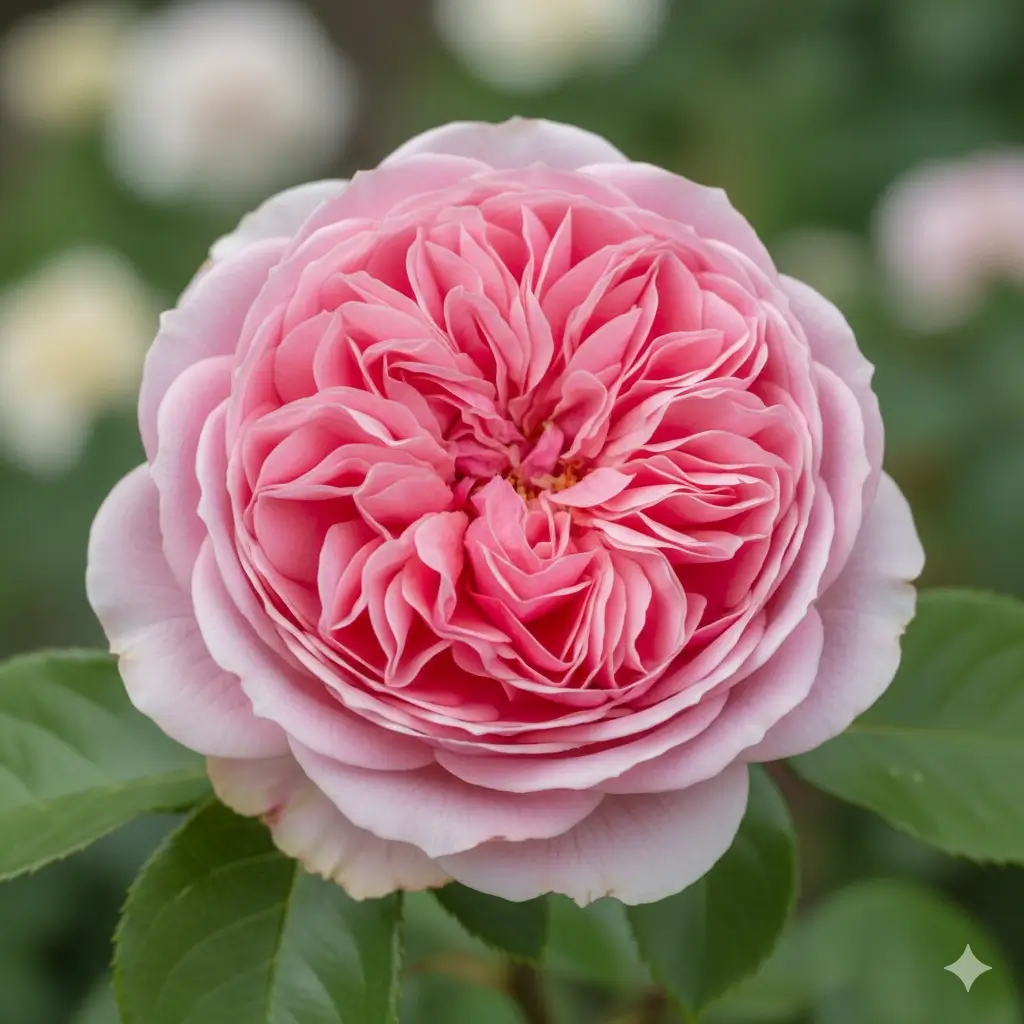
Flowering Indoor Plant
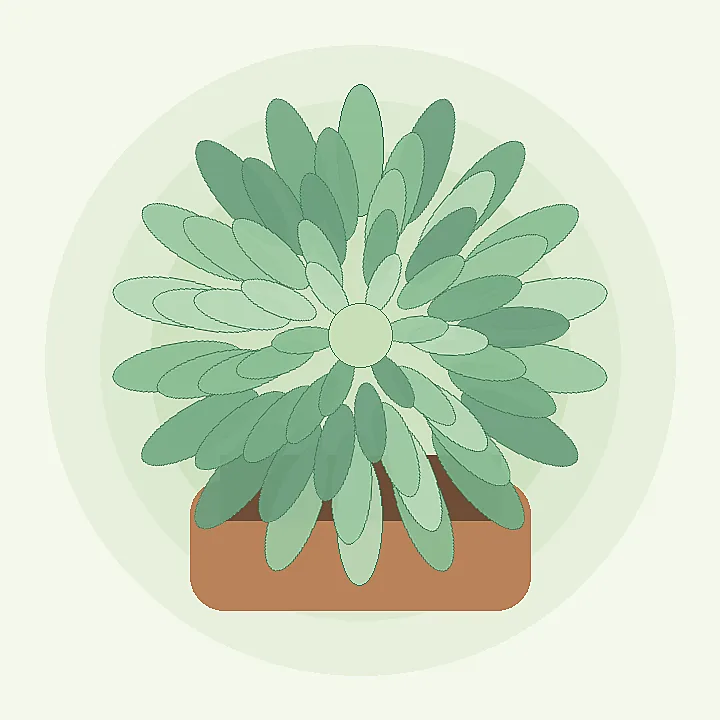
Indoor Succulent
Use these examples to compare the level of detail a houseplant result should provide: likely name, family, visible clue, care direction, and a practical next photo.
Try Your Indoor Plant PhotoWhat the Houseplant Identifier Checks
Growth Habit
The result considers whether your indoor plant climbs, trails, grows upright, forms canes, clusters as a rosette, or spreads from a crown.
Leaf Pattern and Variegation
Variegated margins, fenestrations, stripes, silver patches, red undersides, and glossy texture help separate common houseplant lookalikes.
Care Direction
Likely matches include practical light and watering context so you can decide whether the plant needs brighter light, a drier pot, or more cautious care.
Pet Safety Context
Many indoor plants are not pet-safe. The identifier can flag likely toxicity context, but serious pet exposure decisions should be verified with a trusted source.
Lookalike Warnings
Aroids, hoyas, peperomias, dracaenas, and succulents can overlap. The page explains which details to photograph next when the first match is close.
Browser-Based Workflow
Identify houseplants online from desktop or mobile without installing a separate app, useful when you are at home, in a shop, or checking a shared cutting.
Houseplant Identifier vs General Plant Identifier
Indoor plants need a narrower workflow because juvenile nursery plants, cuttings, and tropical foliage lookalikes often lack flowers or outdoor context.
| Option | Best For | Strength | Watch Out |
|---|---|---|---|
| Houseplant Identifier | Indoor plants, potted foliage, cuttings, and unlabeled nursery plants. | Focuses on leaf pattern, growth habit, care clues, and indoor lookalikes. | A single leaf may still need a stem or whole-plant follow-up photo. |
| General Plant Identifier | Outdoor plants, mixed garden photos, wild plants, and broad plant questions. | Works when you do not know which plant category applies. | May be less specific about indoor care and common houseplant confusion. |
| Manual Houseplant Search | Checking a shortlist after you know likely genus or family. | Useful for reading care guides and cultivar notes. | Slow if you do not know the right plant name or visual terms yet. |
Start with the houseplant page when the plant lives indoors or came from a nursery shelf; use the broader plant identifier when the image context is not clearly indoor.
Related Plant Identification Tools
Use these pages when your indoor plant photo needs broader context or a more specific plant part workflow.
Houseplant Identifier FAQs
Upload a Houseplant Photo and Narrow the Match
Identify your indoor plant, compare lookalikes, and get the care clues you need before changing light, watering, or safety routines.